
Shingle types and options for Peculiar roofs
Compare shingle construction, appearance and classifications without treating one label as a complete roof. A free inspection helps connect material choices to your roof.
Free roof inspections. Clear repair and replacement options.
Choose the covering and the assembly
A shingle choice changes texture, color and product specifications, but the roof also depends on its deck, underlayment, ventilation and flashing. Architectural, impact-rated and designer labels describe different aspects of the covering. The useful choice brings those properties together with slope, appearance and the work needed below the shingles.
- Construction and appearance
Architectural profiles, colors and product specifications differ.
- Separate classifications
Hail-impact ratings and fire classifications describe different tests and requirements.
Architectural shingles and roof appearance
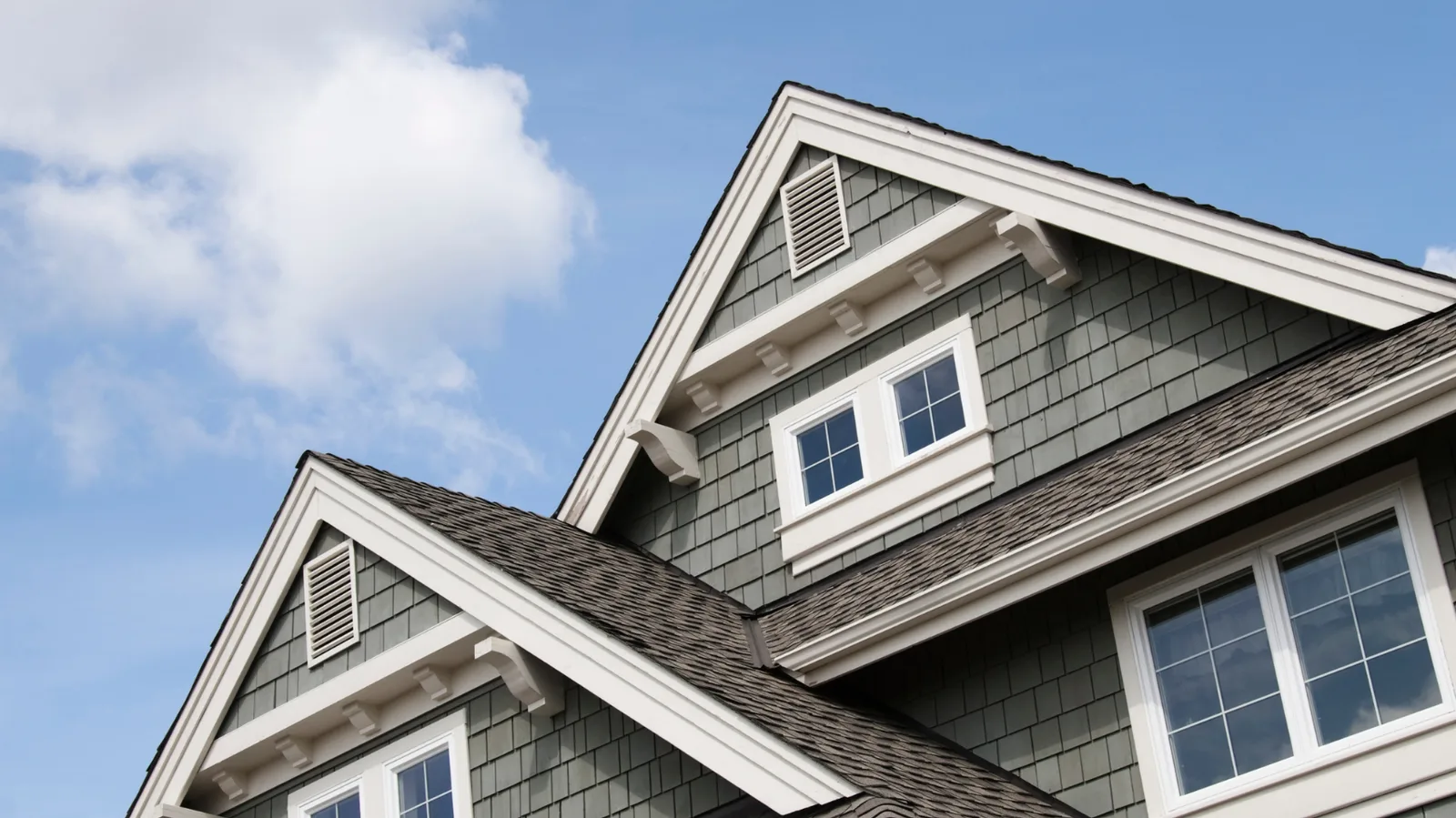
Architectural shingles use a laminated profile to create depth and variation. Product dimensions, exposure, color blends and specifications differ, so two architectural lines need not look or perform alike. A roof with many valleys or short slopes also presents a color differently from one large uninterrupted plane.
Designer profiles can create a heavier or more distinctive appearance. Their product requirements and weight need to fit the roof. Color selection does not remove the need for a sound deck and weather-tight connections.

Impact ratings and fire classifications
- The roofing work
An impact classification is a tested product attribute. It does not guarantee that installed shingles cannot be damaged by hail, and any insurance discount depends on the insurer's terms. The roof still needs appropriate fastening, flashing and installation.
- How the conditions change the answer
Fire classification is a different measure. Peculiar's published residential amendment establishes a minimum Class C covering for the stated work, and its roof form asks for that documentation for wood. That is not the same as impact Class 4. Product suitability and any more protective project requirements must still be resolved.
The assembly beneath the shingles
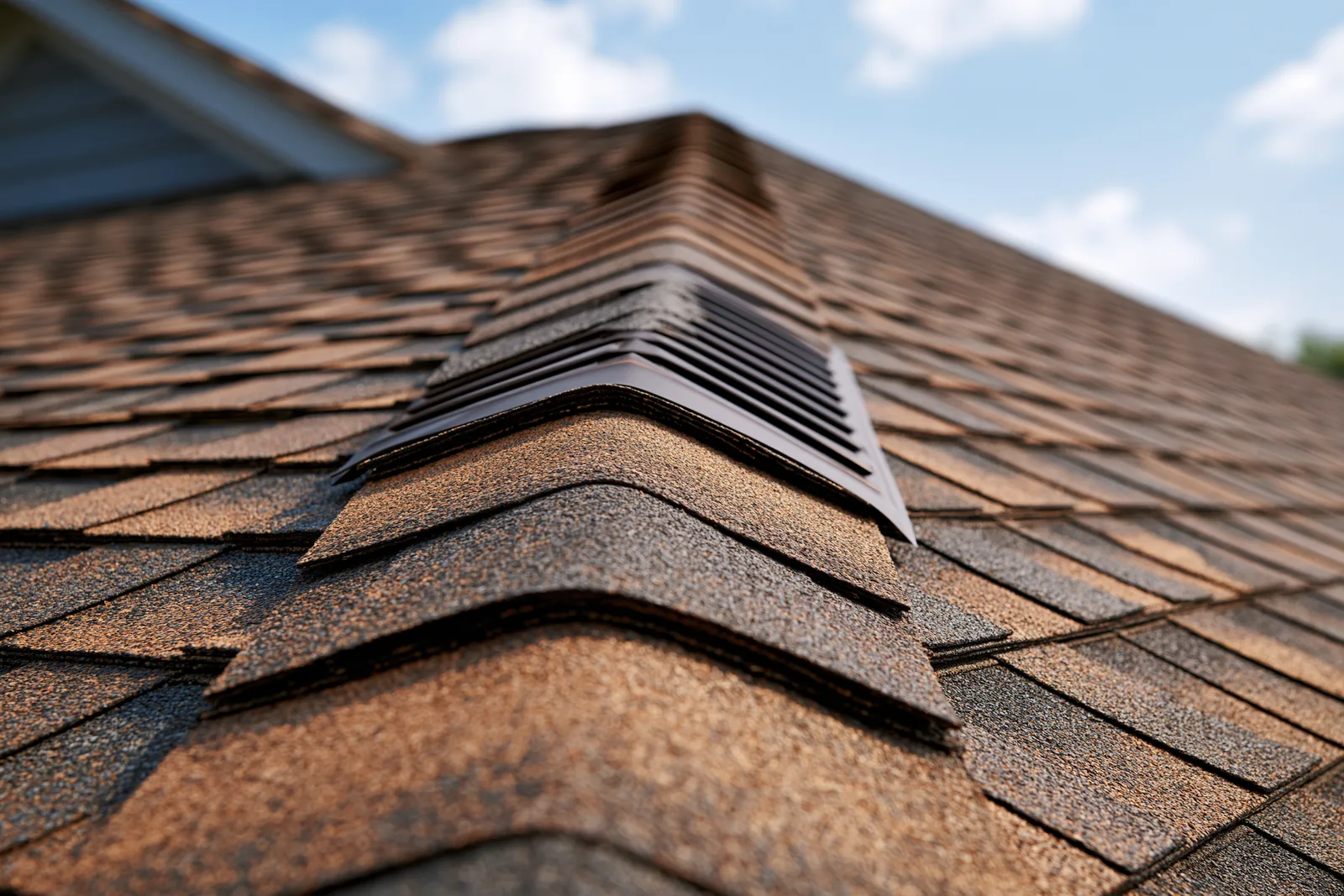
Underlayment and protective membranes help manage water beneath the covering. Flashing handles walls, valleys and penetrations. Balanced ventilation needs intake and exhaust arranged for the roof rather than extra vents installed without a system.
A replacement makes it possible to inspect the deck once the old covering is removed. Damage there adds work that no shingle label can eliminate. Discuss the covering and the underlying scope together through a free inspection.
Request a free roof inspection in Peculiar
Tell us the property location and what changed. Start with a free inspection and useful repair or replacement options.